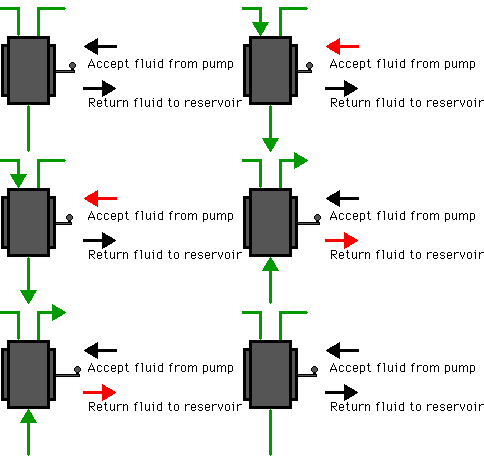
The height control valves are actually quite simple devices. Each is operated
by a mechanical arm that extends from the device. When the arm is pushed into
the valve, a path is created between the high-pressure feed and the suspension
elements. When the arm is pulled out from the valve, a path is created between
the suspension elements and the reservoir. When the arm is in the neutral position,
no fluid can flow in either direction. By mounting the valve on the frame and
connecting the arm to the suspension, the self-leveling effect is achieved.
If a heavy load is placed in the rear, for example, the suspension will force
the valve arm inwards, and more high-pressure fluid will enter the rear suspension
system until the valve arm returns to the proper position.
The height adjustment lever under the dash adjusts the relationship between
the valve arm and the suspension, thus effecting the height adjustment.